
Exploring the impact of cultural traditions on gambling behaviors
The Historical Context of Gambling
Gambling has a rich and diverse history that is deeply intertwined with various cultural traditions across the globe. From ancient civilizations engaging in betting on chariot races to the establishment of modern casinos, gambling has evolved significantly over time. In many cultures, it has served not only as a form of entertainment but also as a means of social bonding. For instance, a secure platform like governancevote.ca emphasizes the importance of providing safety in various online contexts. Community engagement has always played a crucial role in gambling traditions.

The historical context of gambling reveals how different societies have embraced it in varying degrees. For instance, in some Asian cultures, traditional games like Mahjong are not just forms of gambling but also social rituals. Conversely, in Western cultures, lotteries and sports betting have gained prominence, reflecting local values and societal norms. This historical evolution has shaped contemporary attitudes toward gambling in profound ways.
Cultural Beliefs and Attitudes Toward Gambling
Cultural beliefs significantly influence how gambling is perceived and practiced in different societies. In cultures where gambling is viewed as a vice, individuals may approach it with a sense of guilt or shame. In contrast, cultures that celebrate gambling often integrate it into important celebrations and communal activities, thereby normalizing the behavior and promoting a more positive view.
These varying perspectives can lead to distinct gambling behaviors. For example, cultures that hold gambling in high regard may see a greater participation rate in gambling activities. This societal endorsement can create an environment where individuals feel more comfortable exploring their gambling tendencies without the stigma attached to them.
The Role of Religion in Gambling Practices
Religion plays a pivotal role in shaping gambling behaviors across cultures. Many religious doctrines either prohibit or discourage gambling, viewing it as a potential path to moral decay. In these contexts, adherents may struggle with their impulses to gamble, leading to internal conflict and societal pressure to abstain from gambling activities.
Conversely, in cultures where religious beliefs are more permissive, gambling may be integrated into religious festivals and rituals. For example, certain traditions involve gambling as part of celebratory events, blurring the lines between leisure and spirituality. This interplay between religion and gambling illustrates how deeply embedded cultural values can dictate behavioral norms surrounding gambling.
The Impact of Modernization on Gambling Traditions
Modernization has brought significant changes to traditional gambling practices. As societies become more interconnected through technology, online gambling has surged in popularity, altering how people engage with gambling activities. This shift raises questions about how cultural traditions adapt or resist these new forms of gambling.
While some cultures embrace online platforms, seeing them as a natural evolution of gambling practices, others may push back against these changes, prioritizing traditional games and face-to-face interactions. This tension between innovation and tradition can lead to the emergence of hybrid gambling behaviors that reflect both modern influences and historical customs.
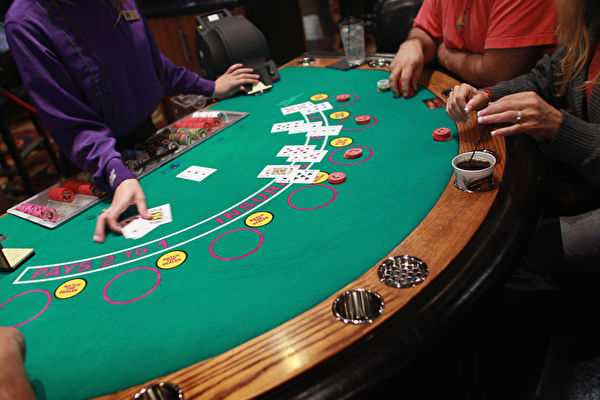
The Importance of a Safe Gambling Environment
Creating a secure gambling environment is crucial for fostering responsible gambling behaviors. As cultural traditions continue to shape gambling practices, ensuring user safety becomes increasingly important. Many platforms now implement security measures to protect individuals from potential risks associated with gambling, including addiction and financial loss.
A focus on user support and security is essential, especially as gambling behaviors evolve alongside cultural changes. By prioritizing a safe and supportive environment, stakeholders can contribute to healthier gambling experiences, aligning with cultural values that promote responsible engagement with gambling activities.